Packing Tips for Protecting Fragile Items
These packing tips for moving valuables offer insight and essential steps for ensuring that your most precious possessions make it from one home to the next.
When you are getting ready to move, whether it’s around the corner or around the globe, it’s important to consider the logistics of how you intend to get your belongings from one place to the next. This is particularly important when packing for international moves, where the journey your items will take is largely out of your sight and beyond your control.
This comprehensive guide on packing fragile items offers expert tips to prevent damage to your possessions and their containers during any type of move. Let’s start by reviewing the importance of proper packing techniques and materials to ensure the safety of your delicate possessions.
Identifying Items That Need Special Care
Identifying items that require special care when packing for a move involves assessing their fragility, value, and susceptibility to damage during transportation. To start, identify and set aside fragile items such as glassware, ceramics, electronics, and artwork. These items are easy to break and should be handled with care, regardless of other factors.
Next, consider the value of your different possessions. Items of high monetary or sentimental value, such as heirlooms or antiques, should be packed with extra care because their loss would cause emotional distress, ultimately costing you so much more than simple money.
The final factors to consider are size, shape, and breakability. This is an extension of fragility but focuses on items that, on the surface, are made of more durable materials, such as musical instruments. However, although the materials themselves are less breakable, many of these types of items may require specific packing materials to prevent scratches or damage. Similarly, items that are unusually shaped or bulky may require special packing techniques to ensure they don't get damaged or cause damage to other items.
Materials for Safe Packing
Once you know what items need extra care when packing for a move, it’s time to consider what materials you will need to use to pack them. Obviously, you will need boxes, but depending on the shapes and materials of your fragile items, you may also need specialized packing materials. Some of the most common specialty materials include:
- Bubble wrap/ bubble cushion: One of the most versatile packing materials, small-size bubble wrap is great for insulating glassware, electronics, artwork, and more.
- Packing paper: Also known as wrapping paper, moving paper, and packaging paper, this material is great for filling the voids in fragile items like glasses as well as filling empty spaces in boxes. Bonus: Packing paper made from recycled newspaper is sustainable and recyclable.
- Packing peanuts: While it’s a bit more expensive than other options, nothing fills box- and item-voids as easily as packing peanuts. If you opt for biodegradable options, rather than Styrofoam, this is another sustainable packing choice.
- Dish and glass sleeves: Some of the most common fragile items that people pack are items from the kitchen, which is why specialized sleeves that fit dishes and glasses of various sizes are available. When paired with a sectioned box that is also designed for these items, this is a convenient option for fast packing that also ensures your items stay safe and secure.
- Furniture pads: It is not always possible to fully wrap large fragile items such as furniture. However, furniture pads and blankets can provide that extra insulation you need and prevent scratches.

Packing Techniques for Fragility
Acquiring the right materials is just the first step in moving. With those materials on hand, you then need to implement packing techniques that have been proven to keep belongings secure. Some of the most critical packing techniques include the following:
- Layering: Place a layer of cushioning material at the bottom of the box. Then, arrange the wrapped items in the center, ensuring there is space between them. Fill any gaps with additional cushioning material. Add another layer of cushioning material on top of the items before sealing the box. This provides extra protection against any pressure or impacts from above.
- Sealing: A good seal ensures that your fragile materials stay within the box where you pack them. Always seal the box with strong packing tape, not twine or paper. Ensure all seams are reinforced with additional tape for extra security.
- Extra support: For extremely fragile items or items of high value, add more support throughout the box itself. Corrugated cardboard boxes are great for packing large fragile items. You can also double box by placing the cushioned box containing the fragile item inside a larger box with additional cushioning material around it.
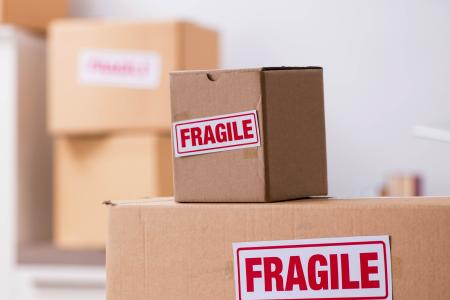
- Label everything: Label all boxes with fragile items as “Fragile” to alert handlers that they should handle the box with care. These labels are very important, as the people loading and unloading your moving truck will be busy and not have time to wonder what is inside the boxes. Choose labels that are large and bright to make sure that they are seen.
Loading and Transporting Fragile Items
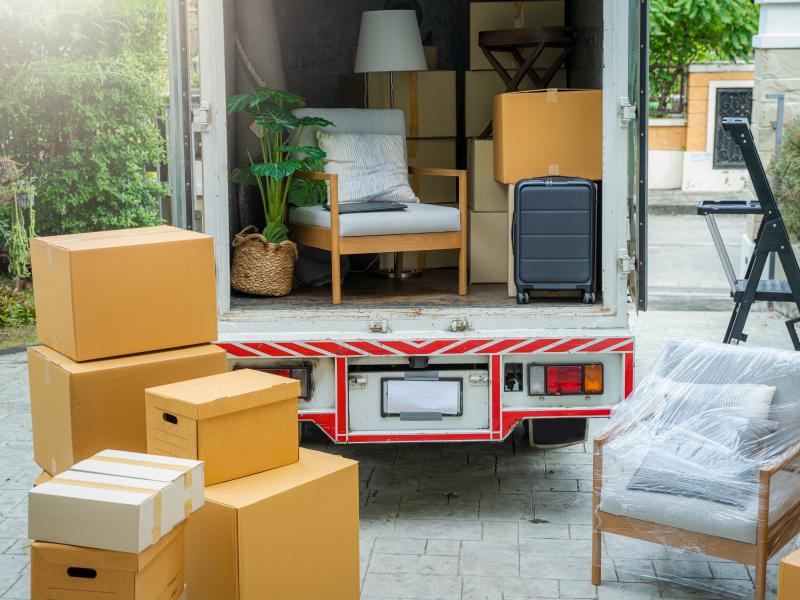
While the steps that you take to ensure your items are properly insulated and packed into labeled boxes are essential for getting them to your new home safely, it is equally important to think about how to load and transport these items within a moving truck or other vehicle. In general, this process starts with making sure that the boxes you load are packed together tightly, ensuring minimal movement during stops, starts, and turns.
It is also advisable to load the boxes with the most fragile items last. This ensures they spend the least amount of time in the truck where items can move around and potentially cause damage. This last in, first out method also means that you can easily place your fragile items in safe, secure locations on either end of the move, so they are less likely to be knocked over or get in the way as other items are loaded and unloaded.
Consider Professional Packing Services for Ultimate Protection
Bottom line: Moving valuables is difficult, and those with experience packing and loading fragile items are the most likely to do it in a way that is safe and efficient. That is why many people who need to move fragile items hire local moving services to help them do it with ease. From insulating valuables and packing boxes to padding furniture and loading trucks, moving companies like Mabey’s Moving and Storage offer you the type of experience and confidence you need to ensure your valuable items get to their new home safely.
Ready to learn more? Start with a quote.