

How to Move with Plants
Worried about how to move with plants? Let Mabey’s Moving and Storage teach you the transplanting tips you need to know for moving your garden oasis.
In most cases, moving is tedious and time consuming, but simple in process. You pack up your possessions in boxes, wrap fragile items carefully, load them onto a truck, and go. However, when it comes to moving with plants, the level of difficulty changes substantially. Plants are living, breathing organisms that need special care and consideration during any move. Luckily, with proper planning and preparation, you can successfully complete your move with plants arriving safely at your destination.
Understanding Plant Regulations
Before you start the process of moving with plants, make sure you understand the laws and regulations surrounding this particular decision. The United States Department of Agriculture (USDA) has specific guidelines that you must understand when it comes to moving with plants across state lines. In some cases, your plants will require inspection. At other times, the move is not permitted at all due to concerns about pest control.
Some states, including California and Hawaii, have specific protections for certain species of plants. Make sure you consult the USDA website and the State Plant Regulatory Official (SPRO) for the states you are moving to and from before moving your plants. They will be able to answer any questions you have regarding the details of your particular plants related to your move.
Packing Indoor Plants
Packing plants for transport is the first step. However, before you begin, make sure to have a plan to keep indoor and outdoor plants separate. Even if you are moving only a short distance, the threat of pests is real. Other than where they are stored and transported, however, properly packing your plants for a move includes ensuring that they are secured inside transportable containers.
Selecting the Right Containers
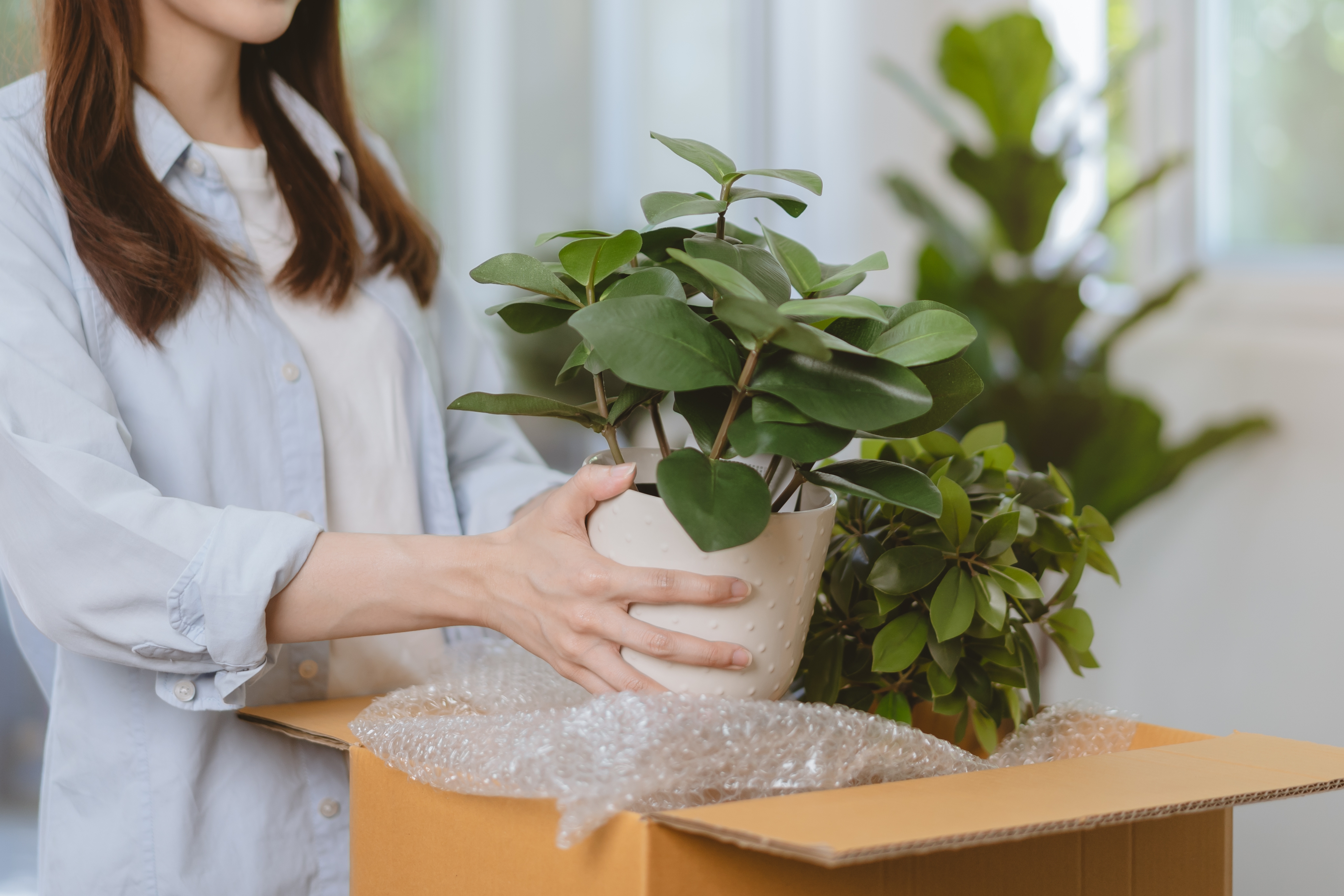
Regardless of how pretty they are, heavy pots can crack and become dangerous during a move. Therefore, take time to select the right containers for your plants, opting for shatterproof plastic wrapped that can be wrapped in bubble wrap during transport. In order to minimize the stress on your plants, repot them two to three weeks prior to the move, which gives them enough time to settle into their new pots.
Moving Outdoor Flower and Garden Plants
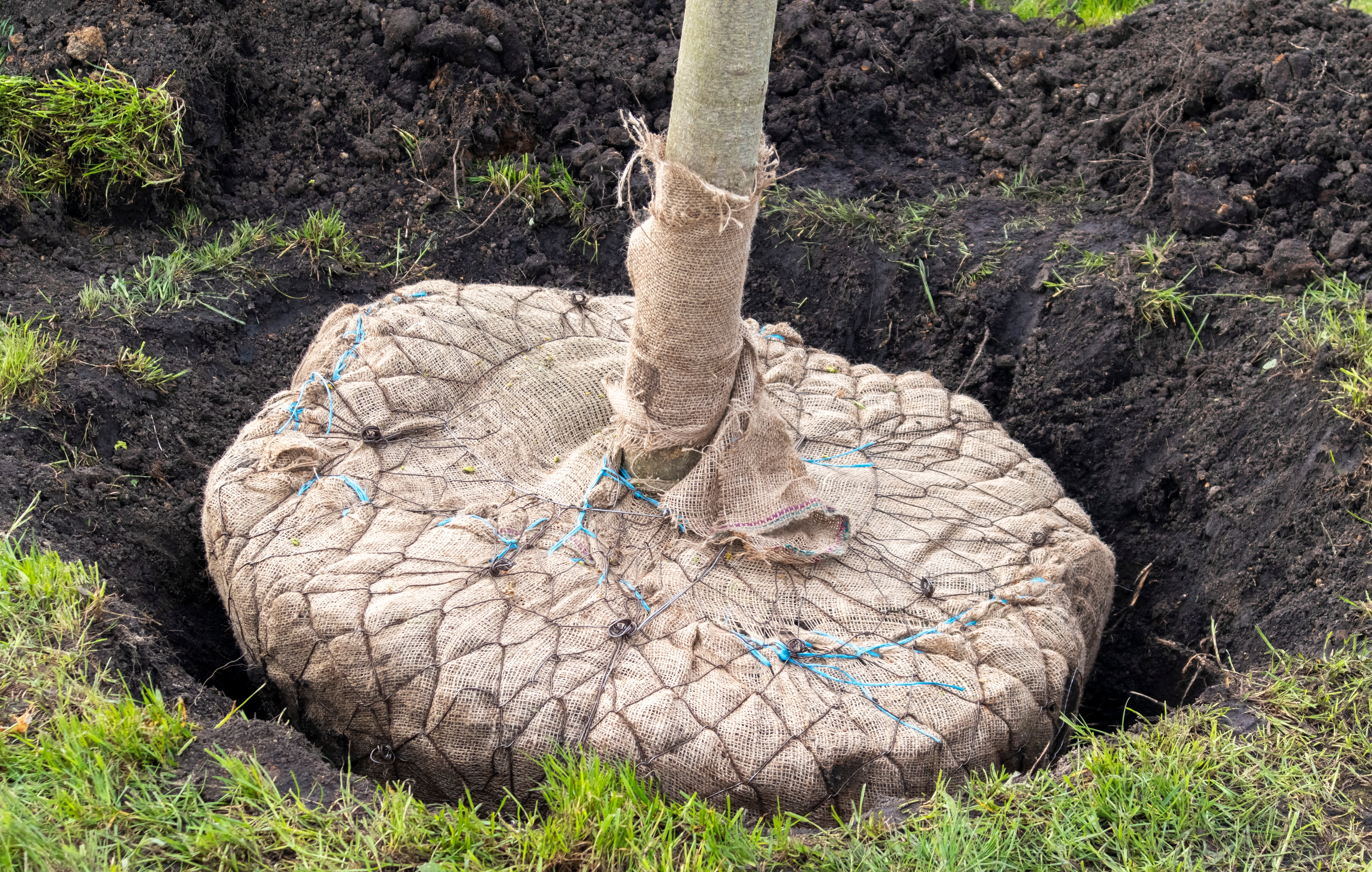
Although potted outdoor plants need to follow the same process as indoor plants, most outdoor garden plants do not transport well. However, depending on their size, you may be able to take some bushes and small trees with you from one home to the other. In general, you want to make sure these plants are still small and do not have complex root systems embedded into the ground.
Digging Up and Preparing Outdoor Plants
You will have the most success with transplanting outdoor garden plants in the fall or winter before they bud. You will want to prepare by watering the tree or bush thoroughly for about two days before digging it up. Take this time to prune it as well, removing any dead leaves or branches before transport.
On the day of transport, ensure that you have a new hole waiting at your new home to minimize the time out of the ground. Start digging up the root ball, leaving as much as 10 inches between the stem or trunk and its end. Gently place it in a prepared shatterproof plastic container with adequate padding and insulation to keep the root ball moist.
Preparing Plants for Transport
Once all your indoor and outdoor plants are properly placed in moving containers, it is time to get them ready for the move itself. The cushioned, shatterproof pots are just a start when it comes to properly packing plants for a move.
Tips for Packing Plants to Move
It is important to take the proper steps to prepare each plant for your move. To start, trim dry leaves and give each plant some water. However, do not water enough to soak the soil and cause them to sit in water during transport. Next, place the plants in open boxes or other containers with proper padding surrounding the pot to ensure that it doesn’t move much during the drive to your new home. For delicate plants, such as succulents, take extreme care where you place them. If possible, hold them in your hands or put small plants in a car’s cup holder to reduce movement entirely.
Special Considerations for Large Plants and Trees
Moving larger house plants and trees you transplanted from a garden presents its own challenges. If a large plant is too tall to stand up in your car, you need to lay it down, meaning you also need to add more insulation and protection to its container to help keep everything in place. To start, you will need to pack sphagnum moss tightly into the top of each pot. Then, wrap the pot further with plastic and secure with tape and string. This should ensure that the mess is kept to a minimum when leaning the plant on its side during transport.
Caring for Plants During the Move
Depending on the distance of your move, monitoring your plant’s health during transit is essential. You want to do this by performing a few routine health checks periodically throughout your journey. Minimally, tracking your plants’ health during a move means checking soil moisture levels daily as well as closely monitoring the temperature around the plants. For example, if you are moving in the winter, load your plants into your car through the garage and make sure to bring them inside if you need to stay overnight during your trip to your new home.
Replanting and Settling Plants in Your New Home
Once you have made it to your new home, it’s time to get your plants settled in with you. Remember that although they cannot immediately show it, this journey was stressful for your plants. Make sure you take time to unpack, stabilize, and heal each plant according to its needs.
Preparing Your New Space for Plants
It is important to unpack your plants right away when you reach your new home. This includes having an adequate spot picked out for them that gives them the right amount of light and keeps them at their ideal temperatures. Before moving day, carefully plan where you will place each of your plants and prioritize placing them in those areas as soon as you get to your destination.
Replanting Outdoor Plants
When it comes to replanting outdoor plants after a move, the rule is the sooner you replant, the better. Remember, the ideal solution is to have the new hole ready to receive your outdoor plant as soon as you arrive at your new home and to get the plant into the ground, covered, and cozy as soon as possible. In many ways, the outdoor replanting process is no different than when you initially planted your outdoor plant at your old home, so follow the same routine and guidelines according to the species and its needs.
Ensuring Successful Growth in the New Environment
Just like it is for humans, moving can be very stressful for plants. Therefore, it is important to take time to carefully place them and orient them to their new environment. In that respect, be careful to place your plants in an area where they won’t need to be moved around or disturbed, at least for the first few days to ensure they have time to adapt to that environment.
You also want to be sure to remove their wraps and covers gently. As much as possible, remove dead leaves or stems and even flowers to make sure that all nutrients go to the roots. Water plants as needed and make sure to stick to a schedule. You may also consider adding fertilizer to the soil to help encourage growth and acclimation to their new environment.
Let Mabey’s Do the Heavy Lifting
Moving plants is yet another careful consideration in the moving process. Let Mabey’s take care of the heavy lifting and logistics of moving your non-living possessions through our experienced and vetted system so that you can pay attention to the living things. Contact us today to learn more and get a free quote.