Moving Brokers vs. Carriers: Key Differences to Understand Before Relocating
Learn the difference between moving brokers vs. moving carriers and what to look for to avoid scammers during your long-distance or international move.
Long-distance moves come with a unique list of concerns and stresses. For most people, the logistics and complexities of moving cross-country or internationally make hiring a long-distance moving company the obvious choice. However, not all businesses that call themselves long-distance movers do the work themselves. Instead, some act as brokers who find others to do the literal heavy lifting.
This practice can be problematic for various reasons. Understanding the distinction between professional movers and moving brokers can make a big difference in terms of time, cost, and peace of mind associated with your long-distance move.
What Are Moving Brokers vs. Carriers?
The difference between a moving broker and a moving carrier is a matter of business operations. A moving carrier is literally in the moving business. They own and operate their moving equipment, and hire and pay staff to pack, load, and transport your belongings.
A moving broker, on the other hand, is in the sales business. Brokers do not actually move your belongings. Instead, they gather the information about your move and then sell that information, or your “job,” to a moving company who then does the actual work.
How to Spot the Differences Between Legitimate Moving Companies and Brokers
The best and simplest way to find out if you are working with a broker or a mover is to ask. However, there are other ways to investigate any company you plan to work with, as well.
Both brokers and movers who handle interstate moves must be registered with the Federal Motor Carrier Safety Association (FMCSA). In addition, moving carriers must have (and should be able to provide) their U.S. Department of Transportation (DOT) number for interstate moves. On the other hand, moving brokers must clearly state their role as brokers on their website and other marketing materials. They are also required to provide potential customers with two documents: FMCSA’s Your Rights and Responsibilities When You Move booklet and the Ready to Move brochure.
Common Scams to Watch Out for When Hiring Movers
Many legitimate moving carriers and moving brokers work with customers to complete long-distance moves. In some cases, moving carriers may also act as brokers. However, it’s important to understand that moving scams are a real threat, and you need to be careful and diligent about researching any moving company that you are considering hiring for a long-distance move.

Red Flags
When you first speak with a moving company about hiring them for a long-distance move, be on the lookout for certain red flags that could indicate a scam. Overseas brokers, for example, often lack the necessary licensing and registration from FMCSA and are much harder to track down if something should happen during your move. Make sure to thoroughly review the company’s website, including links and subpages.
Many scammers will have fake or “broken” domains and links. Stolen DOT numbers are also common among scammers, so make sure to always independently check on protectyourmove.gov to make sure that the broker or mover you are dealing with is the same one listed on the documents and licenses they provide.
Finally, especially when dealing with moving brokers, make sure you ask questions and gather information about the moving companies they work with to complete moves. Legitimate brokers will be able to provide you with a list of the specific companies they have contracts with as well as the FMCSA registration numbers of those companies. By law, they should have a written agreement with all the companies they use for moves and be able to verify that information for you. If they do not, they are likely working with inexperienced and/or illegitimate companies, or they could be scammers.
Protect Your Move to Avoid Business ID Theft
For people looking for assistance with commercial moving, it's important to take additional precautions when working with movers and brokers. Scammers may use your move to gain access to your business files and identity. In addition to checking that you are working with a legitimate mover, make sure that you take steps to secure your business documents and all electronics in-house before your commercial move.
How to Identify a Moving Scam
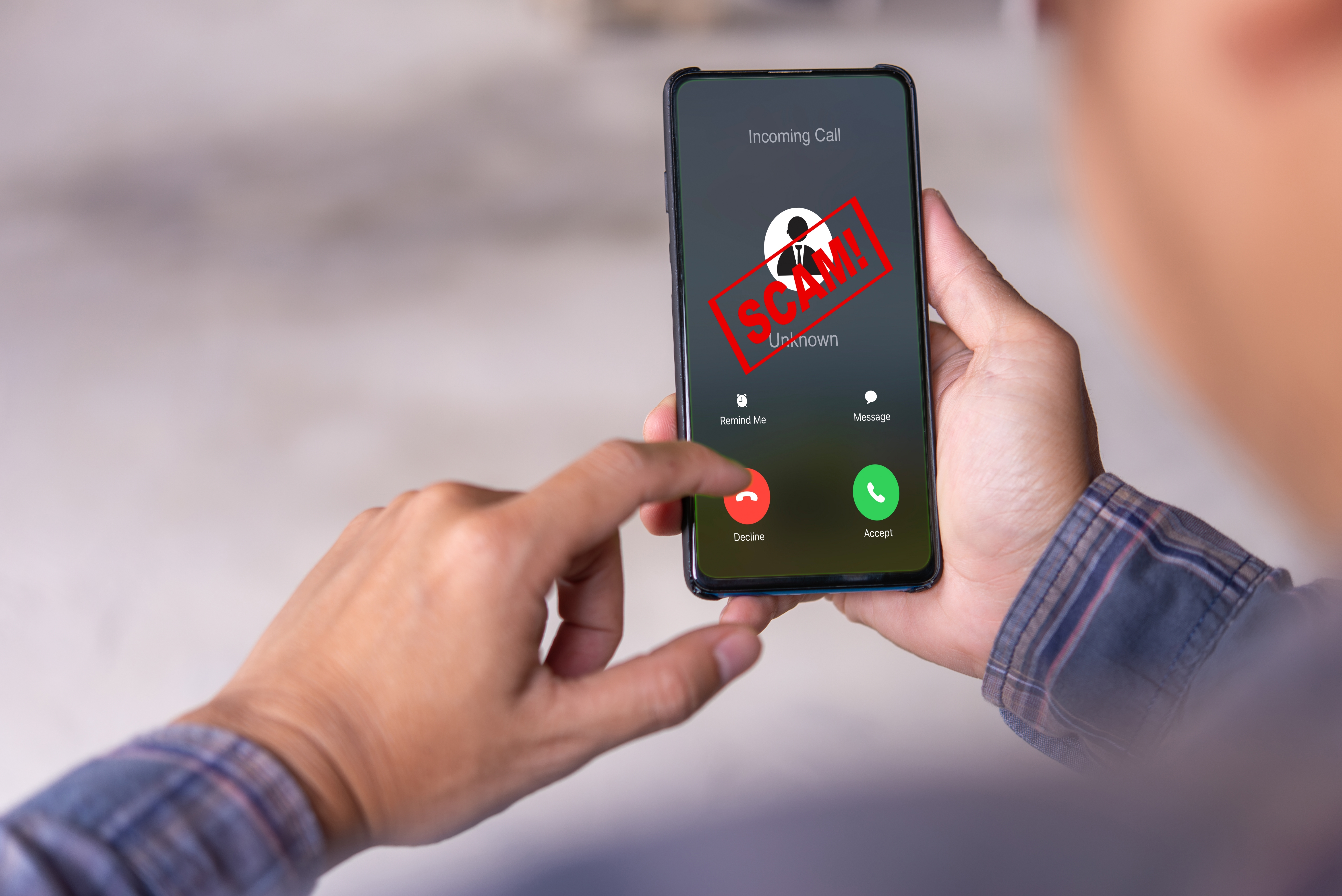
In addition to being on guard for red flags when researching and speaking with moving companies, it's important to watch for additional patterns that almost always mean the business you think you are working with for your long-distance move is a scam. Some of the most common signs that indicate a company is fake include:
Asking for Down Payments Using Bank Cards or Cash Apps
In many cases, scammers are just trying to get some quick cash from you. For example, they may ask for a down payment in an “easy” format, such as via a cash app or ACH bank withdrawal. Do not send money to any moving company in this way, as you forfeit the protection of those funds if they do not deliver on their services. Instead, make sure that the company takes credit cards, which offer zero-liability fraud protection.
"Too Good to Be True" Price
The cautionary saying that “if it seems too good to be true, then it probably is” applies to moving as much as any other aspect of life. If a moving company quotes you a rate that is far below average market rates in your area — an amazing $1,999 to move from New York to Florida, for example — they are most likely lying.
Pricing Strategies
When moving long distance, the standard pricing structure is based on two things: weight and distance. A moving company that quotes based on cubic feet is most likely scamming you. The reasoning is simple. Although it’s technically legal to use cubic feet measurements, that type of measurement can be difficult to verify, leaving you vulnerable to potential overcharging by a moving company. They could pack your items very loosely to increase the number of boxes and load volume of the truck, or they could simply use inflated numbers that you can’t verify.
Similarly, even if you are charged by weight, ask any moving company or broker to provide you with a binding estimate (or a max cost) per pound in writing. Otherwise, a company could double or even triple your weight-based cost for any number of questionable reasons.
Choosing Professional Long-Distance Movers and Avoiding Broker Scams
When you work with a trusted residential moving company, they protect your move from start to finish because they understand the importance of trust and word-of-mouth endorsement. Mabey’s Moving and Storage is a family-owned, local Albany, NY, business with a strong reputation for honest, safe, long-distance and international moving. We understand that we are entrusted with the care of your belongings, and we take that care seriously. Call us or contact us online to learn more or to schedule your move with Mabey’s today.