
Local vs Long Distance Moving: Costs, Differences and How to Choose
Not all moves are the same. Whether you're moving across town or across state lines, understanding the difference between local and long-distance moving can help you plan more effectively, budget accurately, and avoid unexpected challenges.
While local moves are typically completed in a single day and charged hourly, long-distance moves involve more planning, logistics, and pricing based on weight and distance.
Local vs Long Distance Moving: Key Differences
Understanding the differences between local and long-distance moves can help you choose the right services and prepare properly.
-
Distance
- Local: Typically under 50–100 miles
- Long-distance: Over 100 miles or across state lines
-
Pricing
- Local: Hourly rates
- Long-distance: Based on weight + distance
-
Timeline
- Local: Usually same-day
- Long-distance: Delivery windows over several days
- Planning
- Local: Minimal logistics
- Long-distance: Requires detailed coordination and scheduling
How Moving Costs Differ
One of the biggest differences between local and long-distance moves is how pricing is calculated.
Local moves are typically billed hourly based on the number of movers and time required. Long-distance moves, on the other hand, are priced based on shipment weight and total distance traveled. Additional factors such as stairs, packing services, and storage can impact the final cost.
How to Choose the Right Type of Move
Choosing between local and long-distance moving depends primarily on distance, but also on your timeline, budget, and complexity of the move.
- If you're moving within the same city → local
- If you're moving across regions → intrastate
- If you're crossing state lines → long-distance/interstate
Working with an experienced moving company ensures you receive the correct pricing structure and logistics planning for your specific move.
Common Mistakes When Planning a Move
Many people underestimate the differences between local and long-distance moving, which can lead to unexpected costs or delays.
- Booking too late
- Not understanding pricing structure
- Underestimating packing time
- Not planning for delivery windows (long-distance)
- Forgetting inventory requirements
Moving is also a great opportunity to declutter seasonal items and organize storage. Here are some helpful tips for how to store holiday decorations after a move.
Mabey's Local Moving:
When within 60 Miles, the move is done at our local Hourly Rates. These rates may change during the year and are typically subject to a minimum number of hours. The cost includes the time it takes to load and unload the moving van, travel time from origin to destination residence, in addition to time to and from Mabey’s Facility in Rensselaer, NY.
When you call for an estimate, movers generally provide an estimate with the number of men needed to safely and efficiently transport your goods. Packing, when done locally, is based on the time it takes to complete in addition to the cost of the packing materials. Learn more about our local moving services.
Mabey's Intra-State Moving:
When moving more than 60 Miles but still within New York State, the move is considered an “Intrastate” move. The cost for this type of move is based on a combination of the estimated weight of your shipment and distance transported. Things like stairs, elevators and additional stops will add to the total cost. The movers will also prepare an inventory of your goods.
Mabey's Interstate Moving:
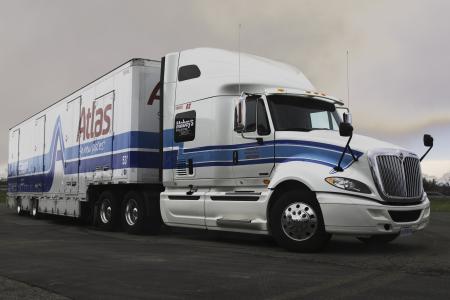
When moving from one state to another, or “interstate”, your household goods are transported on the same types of moving vans and are generally consolidated with other shipments. Similar to Intra-State moving, the cost is based on a combination of weight and distance and an inventory is prepared. For long distance moving, your moving estimator will usually provide a “spread” of dates that you may expect delivery. Moves that go from one state to another are done through Mabey’s local office under the authority of Atlas Van Lines, Inc.
With all of our moves, Mabey's Personnel will provide:
- Basic disassembly of beds and tables
- Loading of the moving van and pad wrapping all the furniture
- Final delivery to your new home
- Placing items into the rooms you choose, where you would like them
- Basic reassembly of beds & tables and debris removal
Some relocations extend even further, requiring overseas transport and customs coordination. If you’re planning a global relocation, explore our guide on international move preparation.
Frequently Asked Questions
What is considered a local move?
A local move is typically within 50–100 miles and is usually completed in one day.
Are long-distance moves more expensive?
Yes, long-distance moves generally cost more due to distance, fuel, labor, and logistics.
How far in advance should I book movers?
Local moves can often be scheduled within a week, while long-distance moves should be booked 2–4 weeks in advance.
Need Help Planning Your Move?
Whether you’re moving locally or across the country, Mabey’s Moving & Storage provides reliable, professional moving services tailored to your needs.