
Simple Steps for a Smooth Cross-Country Move
The best way to move cross country is to take a planned and systematic approach to the process. Learn how to prepare for an interstate move with Mabey’s.
Moving cross-country is one of the most exciting — and stressful — choices anyone can make. While there are many things to look forward to during this time, there is also a lot of front-end work that must be completed well to ensure that the experience is a positive one for everyone involved.
In this comprehensive guide to streamlining the cross-country moving process, we will take a deeper look at the essential steps involved, from all the preliminary considerations and preparations to packing, loading, and completing the move. We even include some insight on the immediate actions that will need to be taken upon arrival to help make your cross-country move the best it can be.
Planning Your Cross-Country Move
Rule one for a cross-country move is to plan ahead. Because you are going to end up so far away, a lot of the benefits of an in-town move (e.g., moving in phases or simply going back for something you forgot) are no longer options. Therefore, you need to do a lot of front-end work and planning to ensure that your cross-country move takes place without forgotten items and as few bumps as possible.
Establishing a Timeline and Budget
Moving across the country costs a lot in terms of both time and money. Therefore, before packing a single box, consider these two factors carefully. Ideally, you want to start planning for a cross-country move about six months before moving, which gives you enough time to organize and downsize before you pack as well as budget and save for what likely cost a few thousand dollars, at minimum. The tighter your schedule, the higher the cost of the move, as scheduling movers, finding a place to live, and completing the move itself will all need to be expedited.
Creating a Moving Checklist
Cross-country moves have a lot of factors in play, from the timeline for starting a new job (and ending an old one) to buying (or leasing) and selling real estate in two different places to navigating the legal particulars of a new state, such as insurance and car registrations. You want to make sure you keep track of all these factors using a checklist that contains all your essential to-do's as well as the timelines that are specific to your move.
A good cross-country moving checklist should include coordinating travel for all members of the family (including pets), arranging time off from work, planning time to say goodbye, and taking care of easy-to-forget items like canceling gym memberships and changing your address with the post office and your financial institution(s).
Packing Strategies for a Cross-Country Move
One key difference between a cross-country move and a shorter, in-town move is the need for efficient and effective packing. This helps save you time and money, ensures you have space for all your items in your moving truck, and improves the odds of arriving at your new home safely.
Organizing and Downsizing Before the Move
Most cross-country moving services charge clients by the pound. In other words, they charge by the pound of items and goods they have to move. Therefore, taking time to downsize and organize your belongings so that you only take what you truly want and need can save you both time and money in the long run. If you have the time, it’s best to go room-by-room through your current home, organizing items into three piles: keep, donate, and trash.
Packing Tips
Once you know what you want to move, it’s time to figure out how to best pack and move those items. Be mindful of what takes up space and find ways to consolidate items. For example, you can use clothing and linens to provide extra padding around items like picture frames and dishes. This reduces your need to buy additional packing materials while also keeping your items safe.
You also want to be sure to clearly and accurately label your boxes — the more information, the better. This will help you stay organized and streamline the unpacking process in your new location.
Special Considerations for Fragile and Valuable Items
If you have special items that require extra care, such as a piano, curio cabinet, or large pieces of art, it may be best to consider a separate moving strategy for those items. For smaller pieces, such as special glassware and china dishes, consider packing them separately and transporting them in your personal vehicle. For larger items, it’s usually best to reach out to a professional moving company for advice. Often, they will provide special services to ensure that these pieces arrive at their destination safely and in one piece.
Preparing for Moving Day
When you are moving across the country, “moving day” may actually take several days. You must account for the day you pack the last box at your old home and send it off in the truck, the day (or days) it takes to travel from one location to the next, and the day that you finally arrive at your new home and begin to unpack. Throughout all these moving days, there are some important tips to keep in mind.
Final Preparations and Moving Day Checklist
Before you leave your old home, you want to make sure you have completed all the essential steps for emptying your old home and leaving your old life (and state) behind. Be sure to begin the process of packing a truck early so that you can do a final walk-through of your old residence, making sure to catch any forgotten items and finish any last-minute chores. You also want to make sure you have a solid travel plan, whether you are driving or flying, and that people on both ends of your move know how to reach you in the interim. Preparing a specific moving day checklist for the final day in your old home can help in this regard.
While this guide focuses on interstate relocation, international moves require additional preparation such as customs documentation and overseas shipping logistics. Learn more in our guide to preparing for an international move.
Essentials Box: What to Keep with You
Although the most efficient way to move across the country is to pack the majority of your household items into a large moving truck, there are some important items that you will want to keep in your possession at all times. This includes vital paperwork such as birth certificates, passports, and marriage licenses, prescription medications and other medical items, as well as special items, such as children’s comfort objects and diapers and pet food and toys.
Depending on the timeline of your move and your plans, you may also want to pack a few “essentials” boxes for different rooms in your new home that you can transport in your personal vehicle and then use while you wait for the rest of your items to arrive. This may include cleaning materials, linens, a few plates dishes, basic kitchenware like a frying pan or pot, pillows and blankets, and toiletry items.
Navigating the Move Itself
When you move across the country, the time it takes to get from one home to the next is usually a matter of days. Depending on your moving company, the move could sometimes take weeks. For this reason, it is important to work communication and space into your moving timeline that accounts for this reality.
Communication with the Moving Team
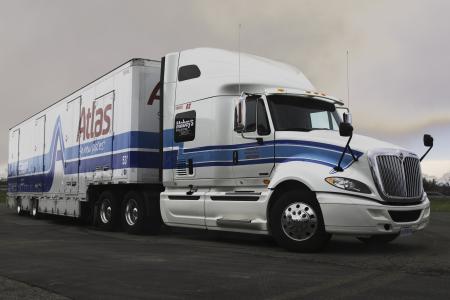
Most people who move cross country utilize a professional moving service like Mabey’s Moving & Storage to transport their belongings. Like other local-owned moving companies, Mabey’s contracts with national movers for the transportation of your belongings on large container trucks that also contain the household items of other movers.
As a result, the timeline for delivery of each household’s items will vary. That makes it critically important to communicate clearly with your moving team to keep track of delivery dates and timelines to ensure you are ready and able to receive your items when the moving team shows up to unload them.
Keeping Track of Your Belongings
A solid moving checklist and a good labeling system not only keep you organized, but also help make sure that everything that needs to arrive at your new home gets there. Make sure you have a detailed list of everything you load on the truck, including each item of furniture and the precise number of boxes (and the size of those boxes) so you can account for your items on the other end of your move. This will save you the hassle of trying to locate any lost or forgotten items after your moving team leaves your new home.

Settling into Your New Home
Once everything is off the truck and accounted for, the real journey in your new state begins. Make sure you start by setting up essential services such as water, cable/internet, and electricity in advance. Next, as you start to unpack and settle into your new home, make sure that you continue to organize your items and keep track of where items are placed.
Unpacking and Organizing Tips
The most efficient way to unpack at your new home is to take the process room by room. Start with essential areas, such as the kitchen and bedroom, and then work your way around your new home. As you unpack, try to find a permanent space for every item that comes out of a box so that you start your new life fresh with an organized home. Take inventory as you go, using the cross-country moving checklist you generated during the planning period.
Enjoy a Seamless Cross-Country Move with Mabey’s
If you are planning a cross-country move to or from the Albany, NY, area, contact Mabey’s Moving and Storage for help and expertise. We are a locally-owned moving company with extensive experience aiding clients on cross-country as well as in-state and in-town moves. Whether you need full-service packing, loading, and moving; help with fragile items; or anything in between, contact us for a quote and start your interstate moving journey today.